The Complete Guide to Cryptocurrency Gaming in 2026: How Tether (USDT) is Revolutionizing Online Casino Deposits and Withdrawals in the United States

In 2026, I’m watching a very specific shift happen in U.S.-facing online gaming: players aren’t just “trying crypto” anymore—they’re choosing it on purpose because it’s faster, cleaner, and often simpler than traditional banking. And within crypto, Tether (USDT) has become the workhorse for casino deposits and withdrawals in the United States because it behaves like dollars while moving like crypto.
This guide is focused on one thing: cryptocurrency gaming in 2026, and how USDT is changing the way U.S. players fund accounts, cash out winnings, and manage bankrolls without getting whiplash from price volatility.
The Evolution of Cryptocurrency in Online Gaming: From Bitcoin to Tether
Online casinos were early adopters of crypto because the pain points were obvious: card declines, slow bank wires, limited e-wallet availability by state, and long payout queues. Bitcoin initially led the charge—if you played online with crypto at any point in the last decade, chances are BTC was the first option you saw.
But Bitcoin’s biggest advantage (being decentralized and widely recognized) came with a practical problem for casino banking: volatility. A deposit made in the morning could be worth meaningfully less by the time you cashed out. In a space where players measure results in tight margins and session-based bankrolls, that kind of price movement is a real variable.
That’s why the center of gravity has moved toward stablecoins—especially USDT—in 2026. For U.S. players who want crypto speed without turning every withdrawal into a market bet, Tether has emerged as the most commonly supported, most widely understood “crypto-dollar” for casino transactions.
What is Tether (USDT) and Why It's Dominating Casino Transactions in 2026
Tether (USDT) is a stablecoin designed to track the U.S. dollar at a 1:1 value. In practical terms, 1 USDT is intended to equal about $1.00, which makes it feel familiar for budgeting deposits, setting win goals, and planning withdrawals.
In 2026, USDT dominates casino transactions for a few reasons that matter specifically to online gaming in the United States: it’s available on multiple networks, it’s supported by a huge number of exchanges and wallets, it settles quickly, and it reduces the “crypto price risk” that scares off players who just want predictable bankroll management.
Understanding Stablecoins vs. Traditional Cryptocurrencies
Traditional cryptocurrencies like Bitcoin and Ethereum fluctuate because their value is driven by open market supply and demand. That can be great for investors, but it can be frustrating for casino players.
Here’s why stability matters in casino banking: if you deposit $300 worth of BTC and the market dips 8% before you withdraw, you can “win” at the tables and still withdraw less value than you put in. USDT largely eliminates that specific risk by keeping your gaming funds denominated in something that behaves like USD.
In other words, when you use USDT in 2026, you’re usually making a gaming decision—not accidentally making a speculation decision.
Tether's Market Dominance and Regulatory Standing in the US
USDT’s market presence in 2026 is massive, which is exactly what you want for casino banking: liquidity, availability, and consistent support across platforms. Because it’s so widely used, it’s also easier to buy, swap, and send without jumping through hoops.
On the U.S. side, the regulatory environment around crypto continues to mature in 2026, with more attention on compliance, consumer protection, and transparency. While regulations can vary depending on state rules and platform policies, the day-to-day reality for players is that USDT is often treated as a practical payment rail—fast, trackable on-chain, and familiar in value terms.
That said, I always encourage U.S. players to stay aware of local rules, platform terms, and tax responsibilities. Crypto gaming is still gaming, and in the United States, your record-keeping matters.
Key Advantages of Using Tether for Online Casino Banking
USDT isn’t popular in U.S. crypto casinos by accident. It’s popular because it solves the exact friction points that players complain about with cards and bank transfers: delays, fees, and unnecessary back-and-forth.
If you’re trying to pick platforms where these benefits actually show up in real life—fast credits, smooth withdrawals, and clear network support—I recommend starting with curated lists of best tether casinos so you can compare deposit methods, supported USDT networks, payout speed expectations, and any crypto-specific terms before you register.
Transaction Speed and Processing Times
Speed is where USDT shines for casino transactions in 2026. Traditional methods in the United States can be slow or unpredictable:
- Bank transfers: often 1–5 business days, sometimes longer due to reviews or bank policies.
- Cards: deposits may be instant, but withdrawals can take days and sometimes trigger extra verification steps.
- E-wallets: faster, but not always available everywhere and may still involve intermediary delays.
With USDT, deposits often credit after the required blockchain confirmations, and withdrawals can be processed quickly once the casino approves them. The exact timing depends on the network (and the casino’s internal review), but compared to many fiat rails, USDT tends to feel dramatically more direct.
Fee Structure and Cost Savings
Fees are another reason USDT is changing crypto gaming in the United States in 2026. Traditional payment methods can include hidden costs: cash advance fees on cards, international processing fees, unfavorable FX rates, and withdrawal charges.
With USDT, you’re typically looking at:
- Network fees: vary by chain (some are cheap, some can spike during congestion).
- Exchange fees: if you’re buying USDT with USD or swapping from another coin.
- Casino fees: many platforms advertise low or no deposit fees for crypto, but always confirm withdrawal terms.
In practice, the cost advantage comes from avoiding multiple intermediaries. You send USDT from your wallet to the casino and receive USDT back the same way—simple route, fewer toll booths.
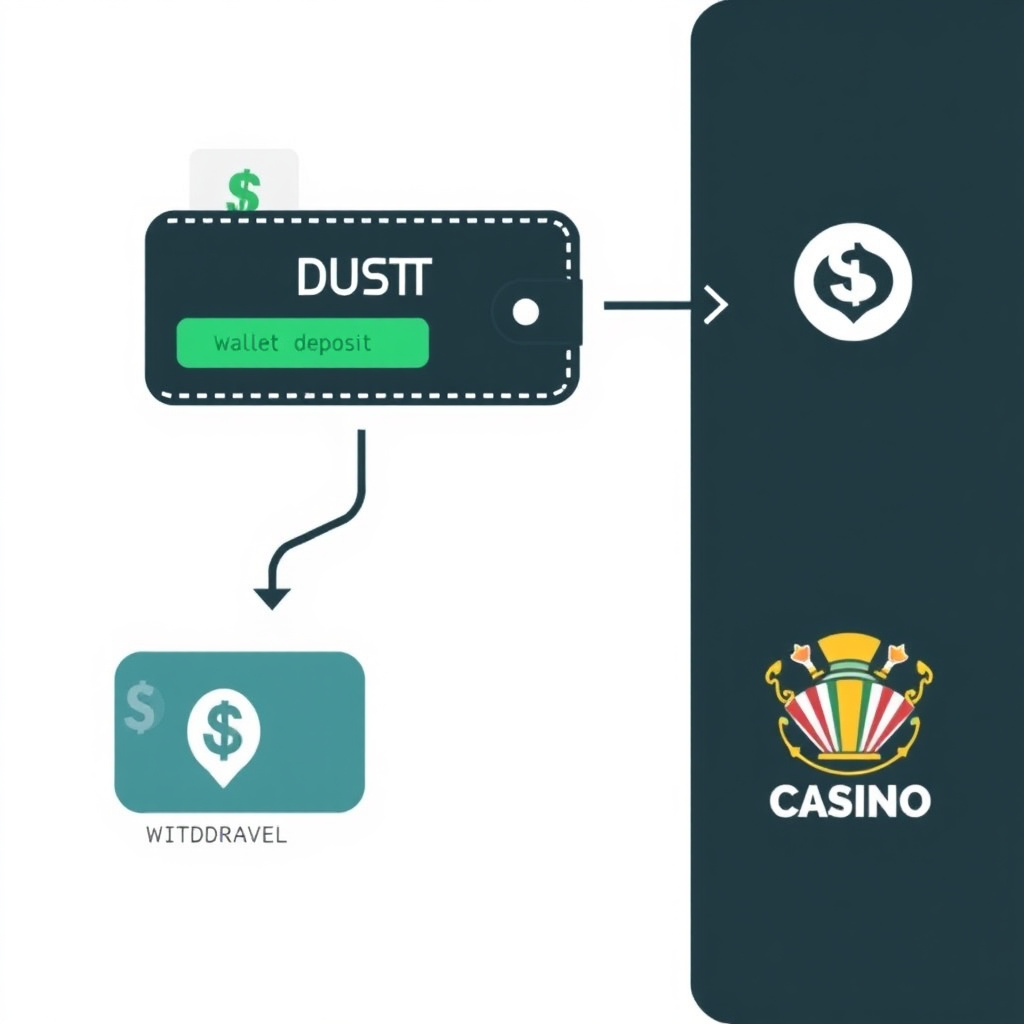
How to Make Your First Tether Casino Deposit: A Step-by-Step Guide
If you’re in the United States and you’ve never deposited with USDT before, here’s the exact process I walk friends through. The steps are simple, but the details (like choosing the right network) matter.
Step 1: Choose a reputable crypto wallet. Pick a wallet that clearly supports USDT on the network you plan to use. Popular options include mobile wallets and hardware wallets. In 2026, I prefer wallets that make network selection obvious and support address labeling.
Step 2: Buy USDT from a trusted exchange. Use an exchange that operates in the U.S. and allows you to purchase USDT via bank transfer or other supported methods. After purchase, you’ll have USDT in your exchange account.
Step 3: Decide whether to send USDT from the exchange or your own wallet. I generally like moving funds to my own wallet first for better control and clearer separation between “bankroll” and “exchange balance.” It also makes it easier to reuse your wallet across multiple casino accounts.
Step 4: Pick a casino that supports USDT (and your preferred network). Before you deposit, check the cashier page for the exact USDT networks supported (for example, ERC-20 or TRC-20). This is not a small detail—sending on the wrong network can result in lost funds.
Step 5: Generate your USDT deposit address inside the casino cashier. The casino will provide a wallet address (and sometimes a QR code). Confirm the network shown in the cashier matches what you’ll use to send.
Step 6: Send a small test transaction. For a first-time deposit, I like sending a small amount first (even $10–$20 worth) to confirm everything is correct. Once it lands, send the rest.
Step 7: Withdraw your winnings back to your wallet. When you withdraw, you’ll provide your receiving USDT address and choose the network (if the casino gives options). Withdrawals can be quick, but some casinos do a short review—especially if it’s your first cashout or a large amount.
Security and Safety Considerations for Tether Casino Transactions
Crypto casino banking is powerful in 2026, but it shifts responsibility toward the player. Blockchain transfers are typically irreversible, so you need a “measure twice, cut once” routine.
These are the safety practices I consider non-negotiable for U.S. players using USDT:
- Use two-factor authentication (2FA): on your casino account, your email, and your exchange.
- Protect your seed phrase: never store it in plain text online; don’t screenshot it; consider offline storage.
- Verify addresses carefully: copy/paste, then confirm the first and last characters match; watch for clipboard malware.
- Use a hardware wallet for larger balances: especially if you keep funds idle between gaming sessions.
- Choose legitimate casinos: look for transparent terms, clear withdrawal rules, and a track record of processing payouts.
I also recommend keeping clean records: transaction IDs (TXIDs), deposit timestamps, and withdrawal receipts. In the United States, documentation helps with account issues, disputes, and tax reporting.
Common Mistakes to Avoid When Using Tether at Online Casinos
Most USDT problems I see in 2026 aren’t “crypto is confusing” problems—they’re small, preventable mistakes. Here are the big ones to avoid:
- Choosing the wrong network (ERC-20 vs TRC-20, etc.): the casino deposit address is network-specific. Match it exactly.
- Skipping address verification: always double-check the address and confirm you’re on the right chain before sending.
- Ignoring minimums and withdrawal limits: some casinos set minimum withdrawal thresholds or tiered limits.
- Not accounting for network fees: if you send your full balance without leaving room for fees, the transfer may fail or arrive short.
- Misunderstanding crypto bonus terms: some bonuses apply differently to crypto deposits, and wagering requirements can vary.
- Using unsecured devices or public Wi‑Fi: treat casino banking like banking—because it is.
If you avoid these, USDT casino banking tends to be smooth and predictable—exactly the point of using a stablecoin in the first place.
The Future of Tether and Cryptocurrency Gaming in the United States
Looking ahead from 2026, I expect cryptocurrency gaming in the United States to keep trending toward stablecoin-first experiences. Players want the benefits of crypto (speed, direct control, flexible access) without the stress of wild price swings. That’s a recipe stablecoins were built for.
On the technology side, I’m seeing continued improvements in wallet UX, clearer network labeling, and better on-chain compliance tooling—changes that make USDT transactions easier for everyday players without turning the process into a paperwork marathon.
On the regulatory side, the direction is clear: more clarity, more reporting expectations, and more emphasis on responsible operations. The casinos that win long-term in the U.S. market will be the ones that combine fast USDT banking with transparent terms and consistent withdrawal processing.
My bottom line for 2026: Tether (USDT) has earned its place as the leading choice for U.S. players because it turns crypto casino deposits and withdrawals into something that feels practical. It’s not about chasing pumps—it’s about playing with a dollar-denominated bankroll that moves at blockchain speed.

Best Reviews about Commercial Ice Machines.